English
 русский
 Español

What Should You Look for When Choosing a Manual Toothbrush?
Контент
- 1 Why Your Toothbrush Choice Matters More Than You Think
- 2 Bristle Firmness: The Most Important Factor
- 3 Toothbrush Head Size and Shape
- 4 Handle Design and Grip Comfort
- 5 Bristle Pattern and Tip Design
- 6 A Quick Comparison: Key Features at a Glance
- 7 Look for the ADA Seal of Acceptance
- 8 Special Considerations for Different Needs
- 9 When to Replace Your Toothbrush
- 10 Putting It All Together
Why Your Toothbrush Choice Matters More Than You Think
Most people grab a toothbrush off the shelf without giving it much thought. Yet the toothbrush you use twice a day, every day, has a direct impact on your oral health. The wrong bristle stiffness can wear down enamel or damage gums. A head that's too large can miss tight corners. A handle that doesn't fit your grip can compromise your brushing technique. Choosing the right manual toothbrush isn't complicated, but it does require knowing what to look for. This guide breaks down each key factor so you can make a confident, informed decision.
Bristle Firmness: The Most Important Factor
Bristle firmness is arguably the single most critical feature to evaluate. Toothbrushes typically come in three firmness levels: soft, medium, and hard. Despite what many people assume, harder is not better. The American Dental Association (ADA) recommends soft-bristled toothbrushes for the vast majority of adults. Here's why each type differs in practice:
- Soft bristles flex gently against the gumline, removing plaque effectively without abrading enamel or causing gum recession. They are ideal for almost everyone, including those with sensitive teeth or gum issues.
- Medium bristles offer a slightly firmer feel and may be preferred by people who feel soft bristles don't provide enough cleaning sensation. However, they carry a higher risk of enamel wear with aggressive brushing habits.
- Hard bristles are rarely recommended by dentists. They can erode enamel over time, irritate gums, and contribute to tooth sensitivity. Unless specifically advised by a dental professional, these should be avoided.
If you're ever in doubt, choose soft. The cleaning effectiveness of a toothbrush comes far more from your brushing technique and duration than from bristle hardness.
Toothbrush Head Size and Shape
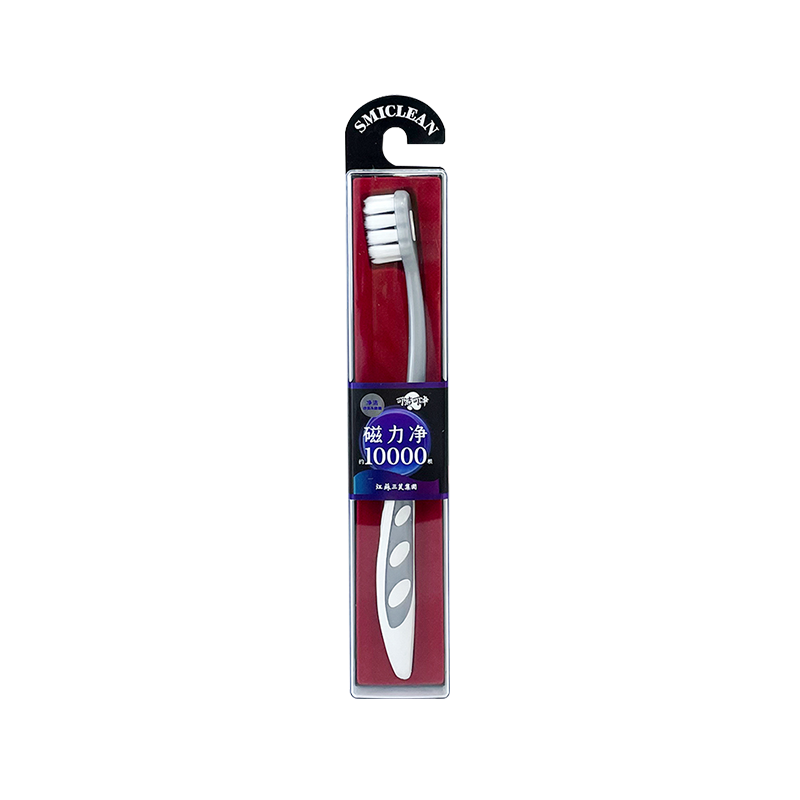
The head of the toothbrush determines how well you can maneuver around your mouth, especially at the back molars and along the gumline. A smaller head generally gives you better control and access to hard-to-reach areas. For most adults, a toothbrush head that is about half an inch wide and one inch tall works well. Children need smaller heads specifically designed for their mouth size.
Head shape also varies by brand. Some are rectangular, others are oval or diamond-shaped. A rounded or oval head tends to be gentler on the soft tissue inside the mouth. Diamond-shaped heads are designed to reach the back molars more easily. Neither is inherently superior — the best shape is one that fits comfortably in your hand, reaches all surfaces of your teeth, and feels natural during use.
Handle Design and Grip Comfort
A toothbrush handle that doesn't fit your hand well can cause you to apply too much pressure or miss areas entirely. Handles come in straight, angled, and ergonomic designs. Angled or offset handles can make it easier to reach the back of the mouth without awkward wrist positioning. Rubber or textured grips help maintain control, especially when hands are wet.
For people with limited hand mobility, such as those with arthritis or motor control challenges, a thicker handle provides a better grip and reduces hand fatigue. There are also specially designed adaptive handles available. The key is that the handle should feel stable and comfortable, because good brushing technique depends on steady, controlled movement.
Bristle Pattern and Tip Design
Beyond firmness, the arrangement of bristles affects how thoroughly a toothbrush cleans. Flat bristle surfaces clean exposed tooth areas well but may not penetrate between teeth or along the gumline as effectively. Many modern toothbrushes use multi-level or angled bristle patterns designed to reach slightly into the spaces between teeth and below the gumline.
Rounded bristle tips are another detail worth paying attention to. Bristles with rounded ends are gentler on gum tissue compared to cut or flat-ended bristles. The ADA recommends choosing a brush with rounded bristle tips to minimize the risk of gum damage during brushing. Some premium toothbrushes also include a tongue cleaner or cheek scrubber on the back of the head, which can help reduce overall bacteria in the mouth.
A Quick Comparison: Key Features at a Glance
| Feature | Best Choice | Why It Matters |
| Bristle Firmness | Soft | Protects enamel and gum tissue |
| Head Size | Small to medium | Better access to back molars |
| Handle | Textured, comfortable grip | Ensures controlled brushing |
| Bristle Tips | Rounded ends | Reduces gum irritation |
| ADA Seal | Present | Confirms safety and efficacy testing |
Look for the ADA Seal of Acceptance
When choosing a manual toothbrush, one reliable shortcut is to look for the ADA Seal of Acceptance on the packaging. This seal means the product has been independently evaluated for safety and effectiveness. Toothbrushes carrying the seal have been tested to ensure their bristles won't fall out under normal use, the handles won't break, and the product performs as claimed. It's not the only marker of quality, but it provides meaningful assurance when comparing unfamiliar brands.
Special Considerations for Different Needs
Sensitive Teeth and Gums
If you experience sensitivity or have been diagnosed with gum disease, look specifically for a toothbrush labeled "extra soft" or "sensitive." These brushes use finer, more densely packed bristles that clean without adding stress to already vulnerable tissue. Dentists often recommend these for patients recovering from periodontal treatment or those prone to gum bleeding.
Braces or Orthodontic Work
People with braces face unique challenges because brackets and wires trap food and plaque. V-shaped or notched bristle patterns are specifically designed to clean around brackets more effectively. Some orthodontic toothbrushes feature a center row of shorter bristles that align with the bracket while longer outer bristles clean the gum area above and below.
Children
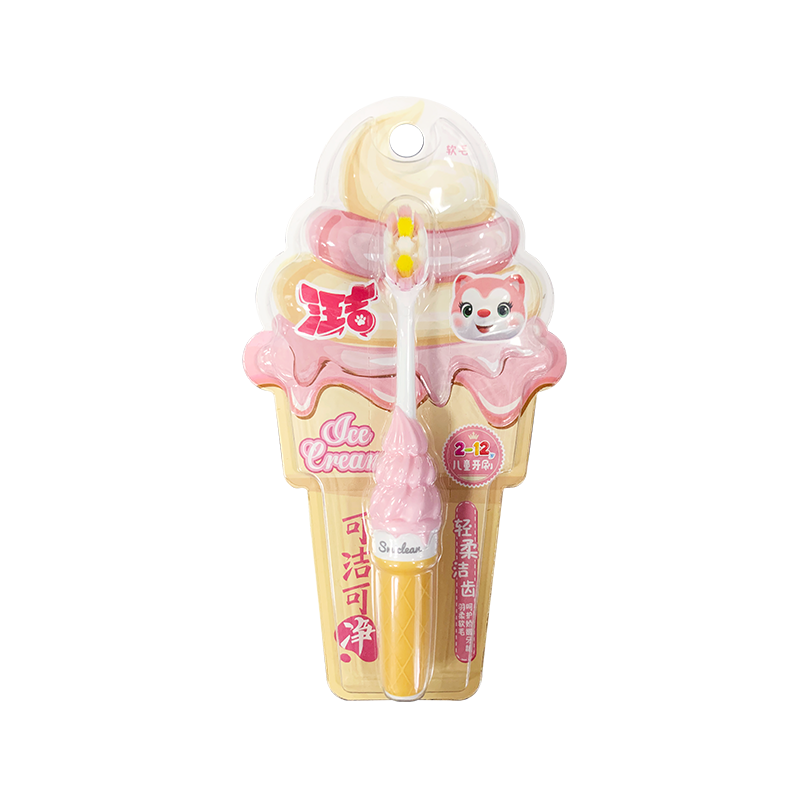
Children's toothbrushes should have smaller heads, very soft bristles, and chunky handles that are easy for small hands to hold. Look for age-appropriate sizing on the packaging, such as 0–2 years, 3–5 years, or 6+ years. Colorful designs and characters can also make brushing more appealing for young children, encouraging them to build the habit early.
When to Replace Your Toothbrush
Even the best toothbrush becomes ineffective over time. Dentists recommend replacing your toothbrush every three to four months, or sooner if the bristles appear frayed or splayed. Worn bristles lose their ability to clean teeth surfaces properly and can even irritate gum tissue. You should also replace your toothbrush after recovering from a cold, flu, or any oral infection to prevent reintroducing bacteria.
A useful visual test: hold your toothbrush up and look at the bristle head from the back. If the bristles are visibly bending outward beyond the edges of the head, it's time for a new one. Keeping track of when you last replaced your brush — for example, noting the date on the handle with a marker — can make this easier to manage.
Putting It All Together
Choosing the right manual toothbrush doesn't require significant research each time, but understanding the basics helps you make smarter decisions at the store. Prioritize soft bristles, an appropriately sized head, a comfortable handle, and the ADA seal. Consider any special circumstances — sensitivity, orthodontic appliances, age — that call for a more specific design. Replace your brush regularly, and pair it with proper brushing technique: two minutes, twice a day, with gentle circular or back-and-forth strokes along the gumline.
The right toothbrush is one that fits your mouth, feels comfortable in your hand, and that you'll actually use consistently. No toothbrush, no matter how well designed, works unless you use it correctly and regularly. Once you know what to look for, finding the right one becomes a simple and worthwhile habit to maintain for life.